There is a quiet little revolution still happening in the wedding world.
More and more couples are looking at the traditional big wedding and asking a very sensible question.
Is this actually us?
For some couples, the answer is yes. They want the guest list, the venue, the speeches, the styling, the dance floor and the full celebration. Beautiful. I love that.
But for others, the idea of planning a large wedding feels overwhelming, expensive, public or simply not aligned with who they are as a couple.
That is where elopements come in.
And no, I do not mean running away in secret with no thought, no beauty and no sense of occasion.
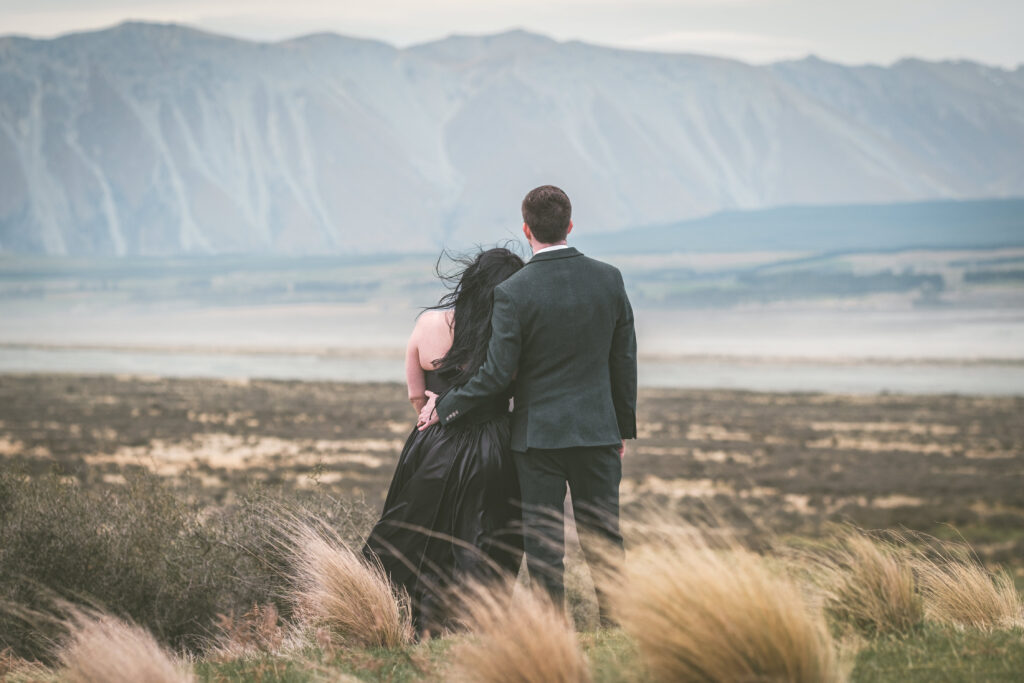
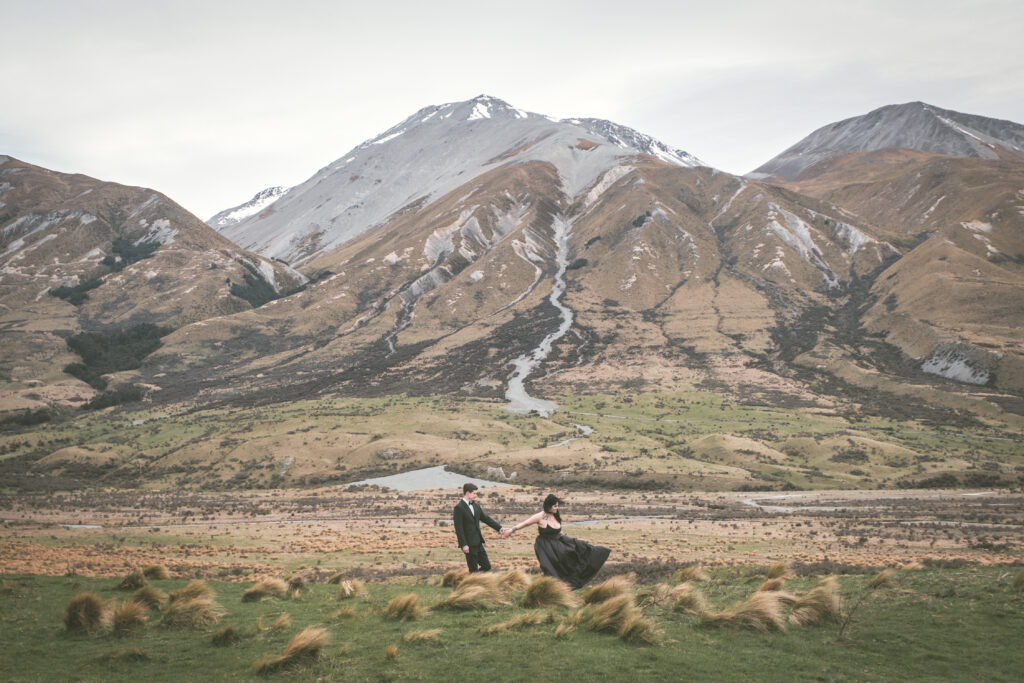
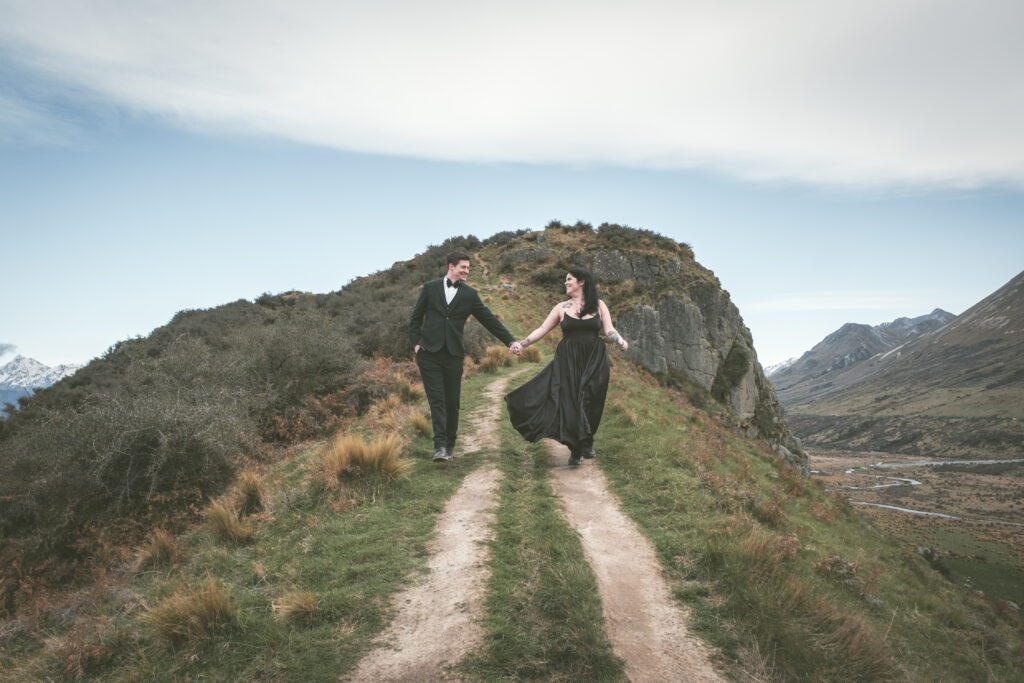
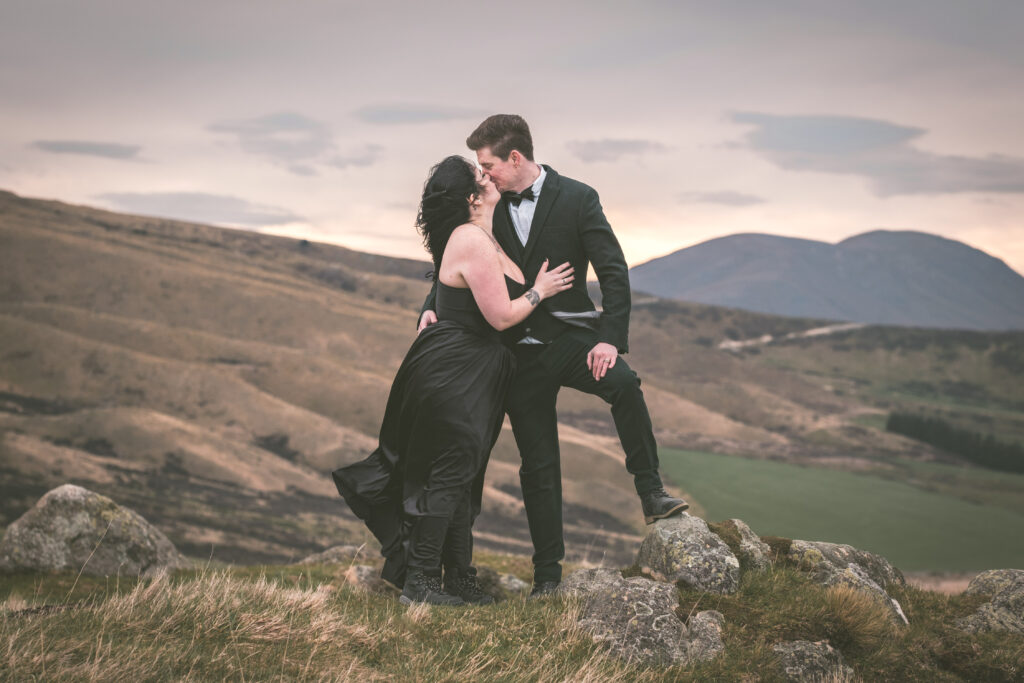
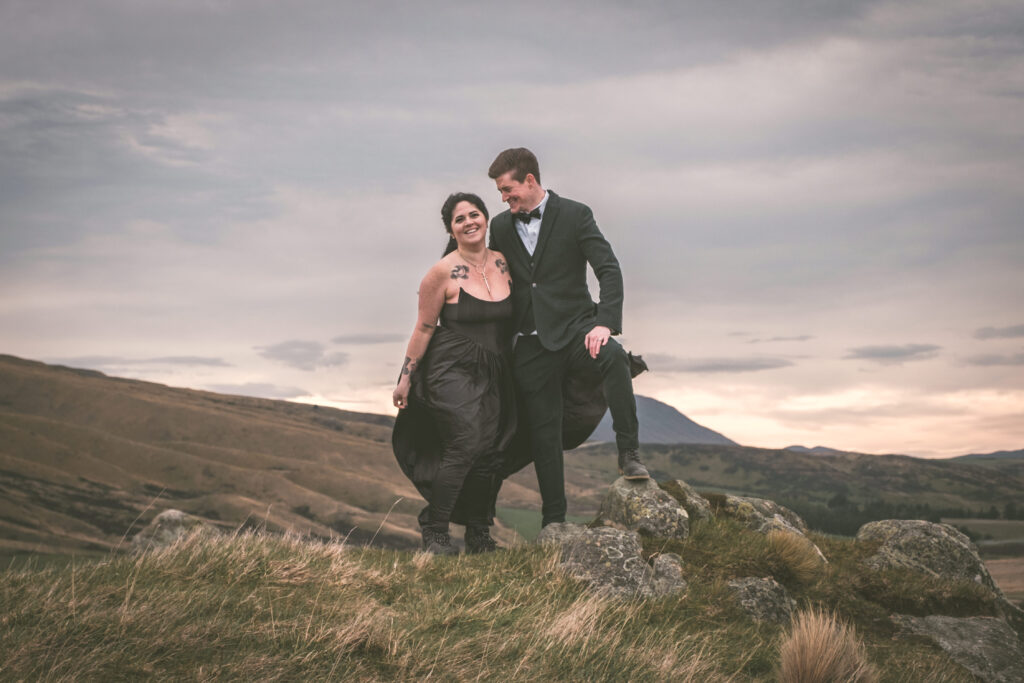
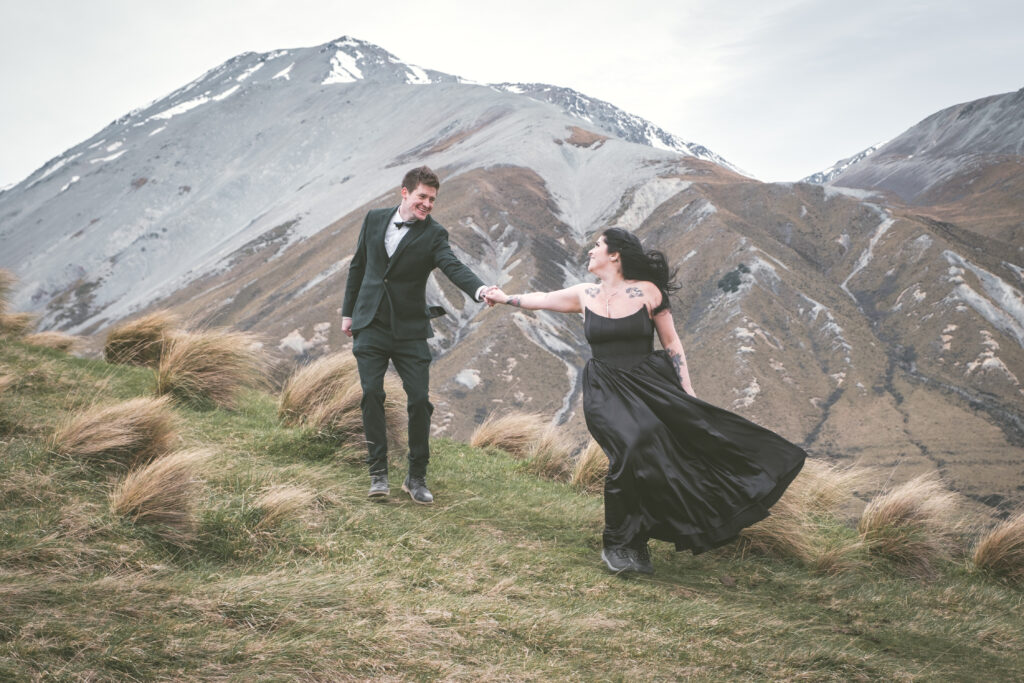
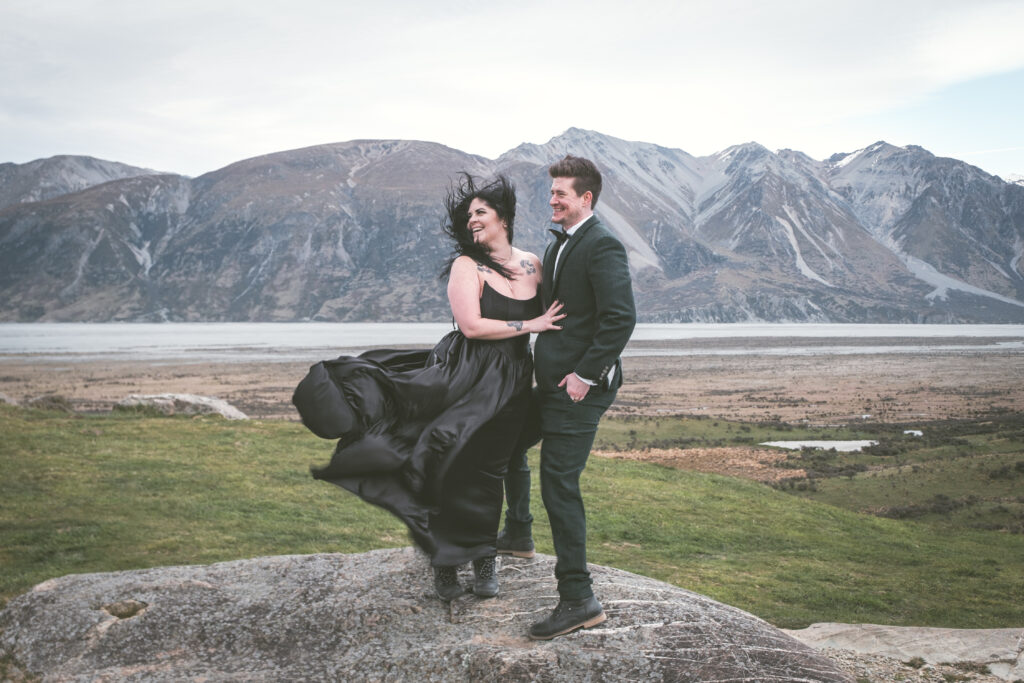
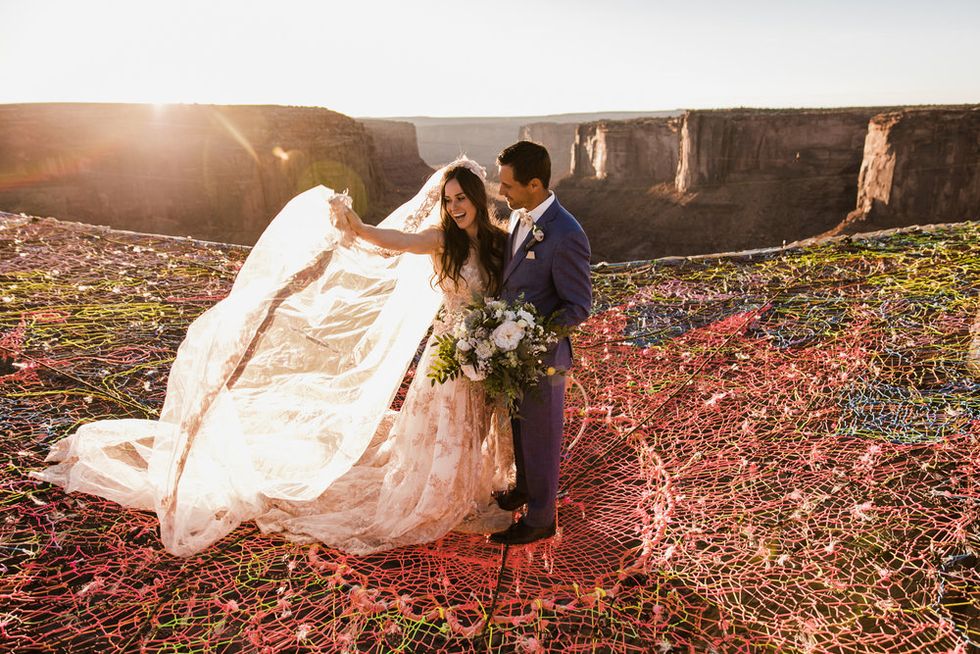
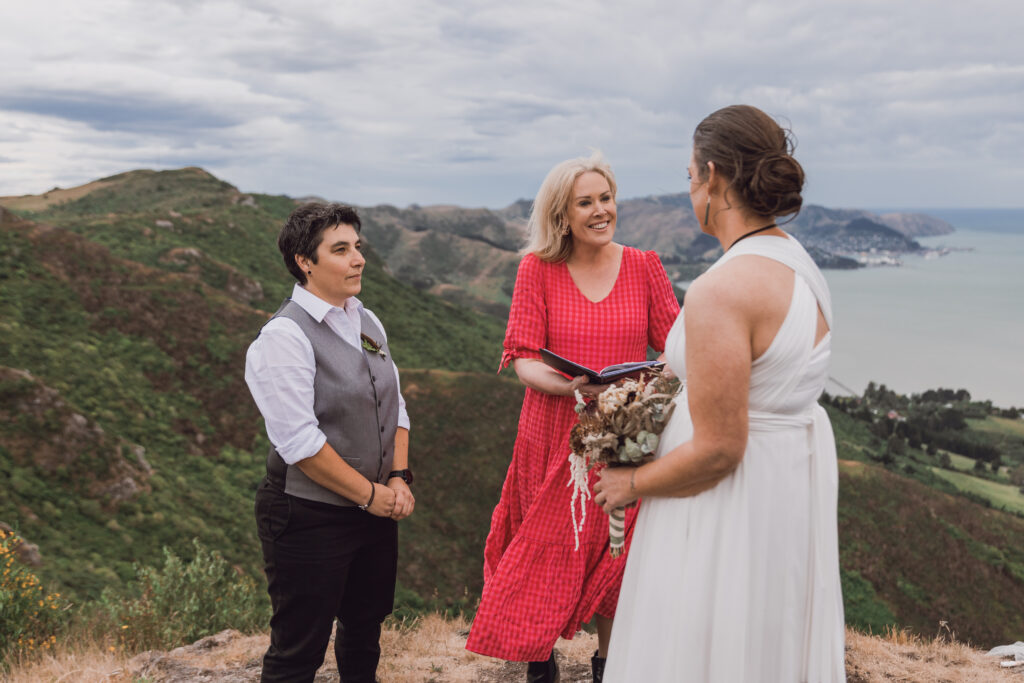
A modern elopement can be intimate, elegant, meaningful and deeply personal. It can be beautifully photographed. It can include the people who matter most, or it can be just the two of you. It can happen by the sea, in a garden, on private land, at a boutique venue, or somewhere that has a special place in your story.
Small does not have to mean rushed, basic or forgettable.
Small can be beautiful.
Small can be intentional.
Small can still feel like a wedding.
That is why I created Elope Away.
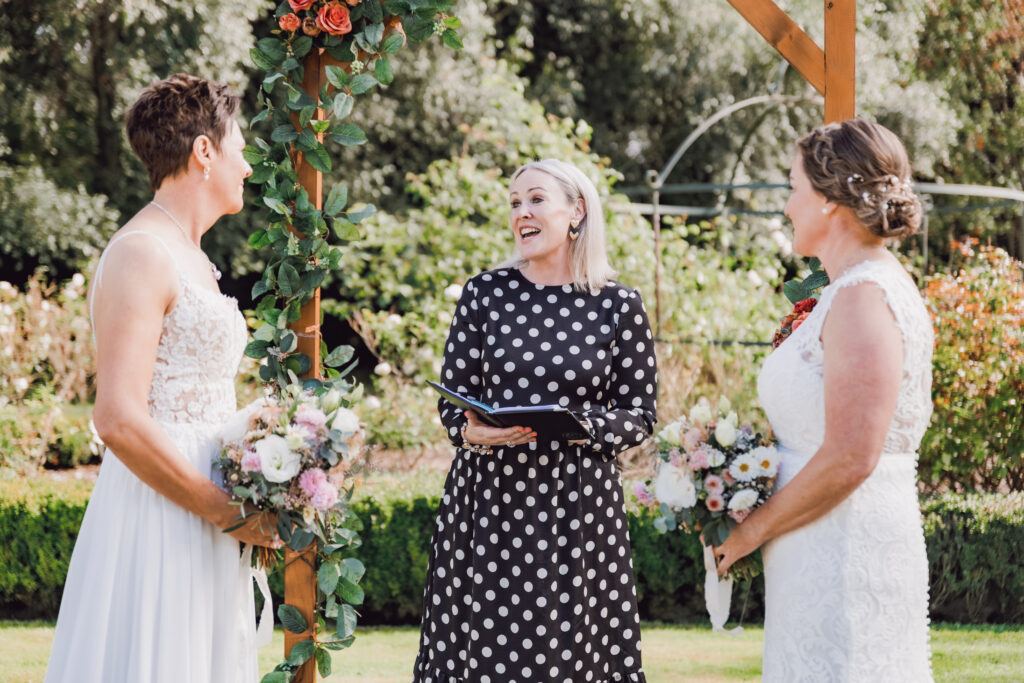
Since 2020, Elope Away has been for couples who want a meaningful Canterbury elopement without the stress of planning a big wedding. It is for people who want the ceremony, the photographer, the location guidance, the planning support and the calm, thoughtful experience brought together for them.
It is not about stripping the day of meaning.
It is about removing the pressure.
A lot of couples love the idea of getting married in a more intimate way, but they still want the day to feel special. They do not necessarily want to stand in a public space, sign the paperwork and leave. They want warmth. They want care. They want beautiful photos. They want a ceremony that feels personal. They want someone to guide them through the process so they can actually enjoy it.
That is the space Elope Away sits in.
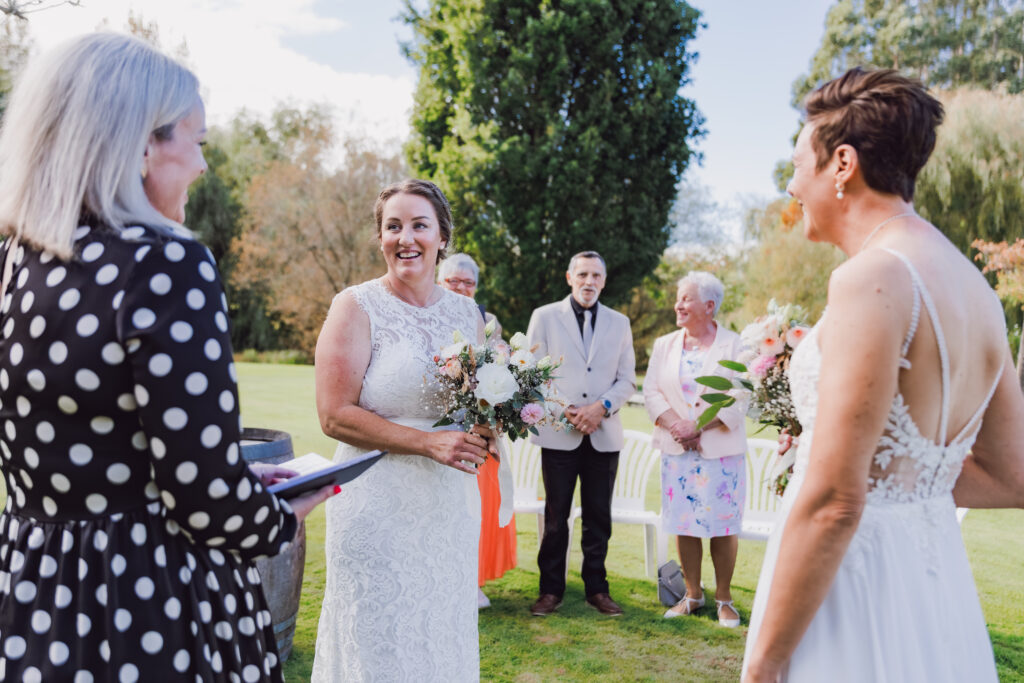
Not a big wedding.
Not a quick transaction.
A beautifully curated elopement experience.
Canterbury is such an incredible place for this. We have beaches, gardens, rural settings, private properties, dramatic landscapes, quiet corners and hidden gems. There are so many ways to create a wedding day that feels intimate and memorable without needing a huge guest list or a year of planning.
For some couples, an elopement might mean just the two of them.
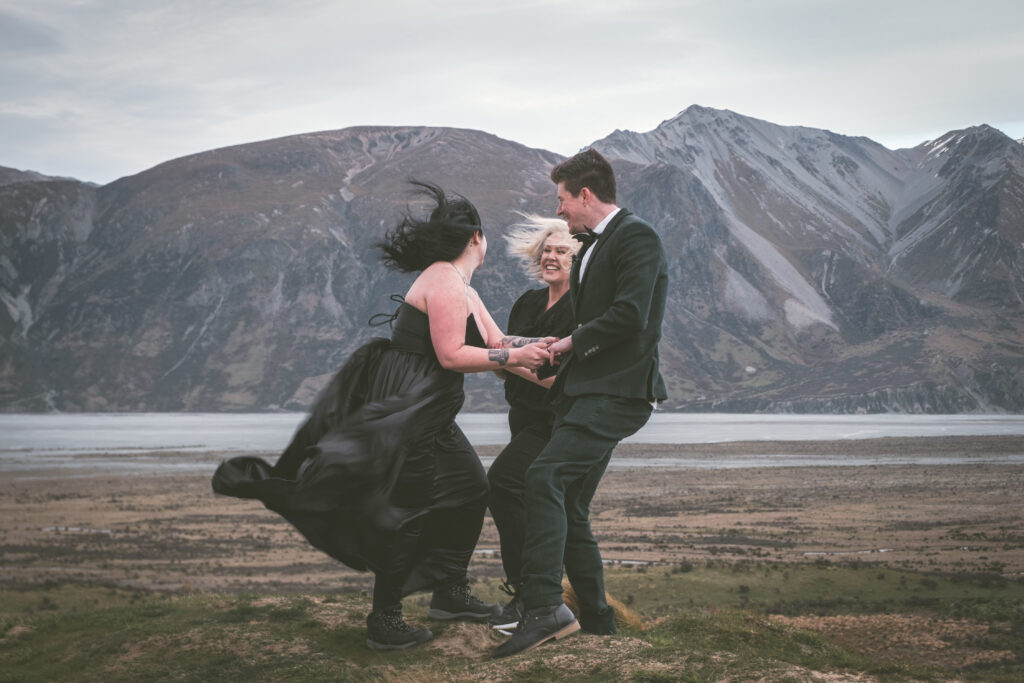
For others, it might include their children, parents, siblings or a handful of close friends.
Some couples want a simple ceremony and photographs before heading out for dinner. Others want flowers, hair and makeup, a picnic, accommodation or a small celebration afterwards.
There is no single right way to do it.
That is the point.
Your wedding should feel like you.
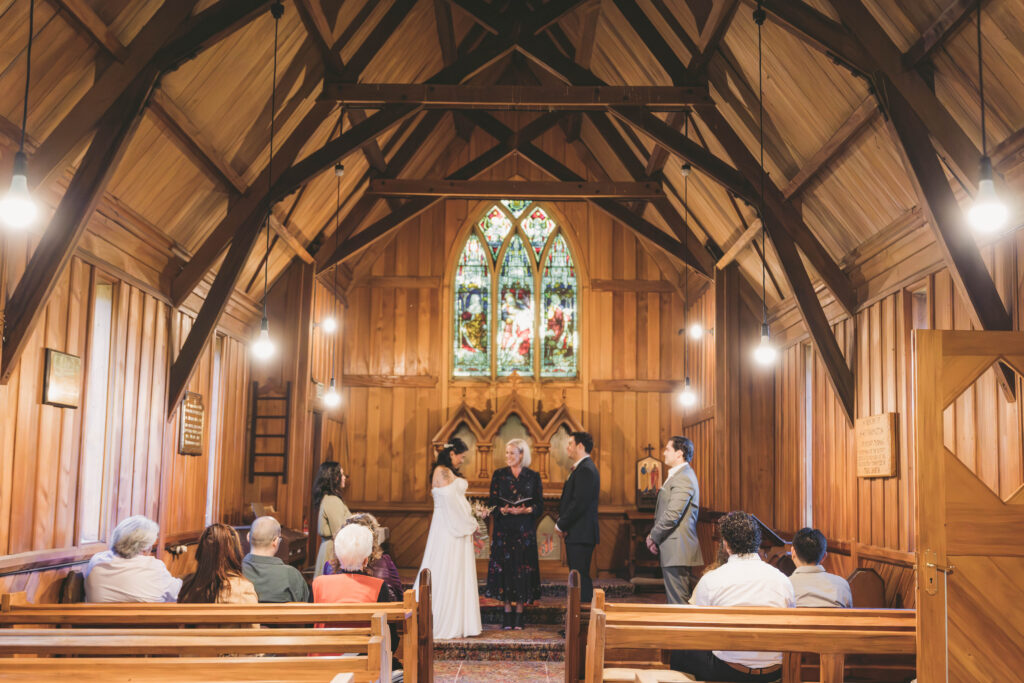
As a marriage celebrant, storyteller and elopement planner, my job is to help couples feel calm, seen and celebrated. I want your ceremony to feel warm and genuine. I want your photos to capture something real. I want the day to feel easy, but not ordinary.
Because choosing a small wedding does not mean you are choosing less love.
It means you are choosing what matters most.
You might be choosing less stress.
Less cost.
Less performance.
Less pressure.
Less expectation.
And more meaning.
More intimacy.
More freedom.
More time to actually be present with the person you are marrying.
That is the beauty of eloping.
You get to step away from the noise and create a day that is focused on the two of you.
So, if you are wondering whether a small wedding can still feel special, the answer is absolutely yes.
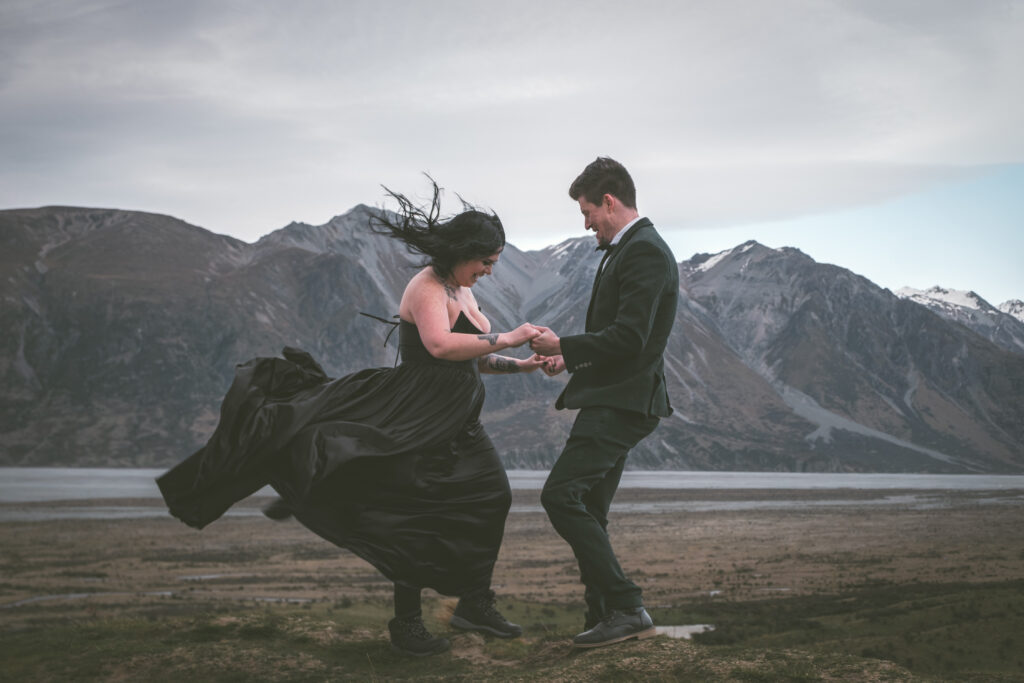
It can feel romantic.
It can feel polished.
It can feel emotional.
It can feel joyful.
It can feel unforgettable.
Elope Away was created for couples who want the meaning without the madness. A Canterbury elopement that is beautifully planned, deeply personal and completely yours.
Because small weddings can still have big feeling.
Let’s get you hitched!